


You have spent years praying the Rosary, imagining the stones of Jerusalem beneath the Savior's feet. Now, as you finally hold the PATHWAYS 2026 Holy Land Tour brochure, a familiar worry surfaces: Will my knees survive the walking? Can I keep up with the group? What actually happens each day—and does it match the spiritual hunger I carry?
This guide answers every question I hear from devout Filipino pilgrims before they board the flight from Manila. I will walk you through the 12-day Jordan–Israel–Egypt circuit day by day, explain the physical demands honestly, detail how daily prayer and Mass weave through the journey, and break down exactly what your package covers versus what you should budget in Philippine Peso. By the end, you will know whether this pilgrimage fits your body, your budget, and your soul.
The 12-Day Journey: Jordan, Israel, and Egypt
The PATHWAYS 2026 Holy Land Tour follows a carefully sequenced route. Pilgrims typically begin in Jordan to acclimatize, move into Israel for the spiritual core, and conclude in Egypt where the biblical narrative intersects with ancient civilization. Here is how the days unfold.
Days 1–2: Amman and the Rose City of Petra, Jordan
Your pilgrimage begins with an international flight from Manila to Queen Alia International Airport in Amman. After clearing customs and collecting your luggage, the group transfers to a hotel near the capital for rest and an orientation dinner.
Day 2 is Petra. You will travel roughly three hours south to Wadi Musa, then enter the Siq—a narrow, winding canyon of rose-red sandstone that opens suddenly onto Al-Khazneh (the Treasury). The walk through the Siq covers approximately 1.2 kilometers one way on uneven but mostly flat ancient paving. Beyond the Treasury, those with energy may continue toward the Roman Theatre and the Royal Tombs, adding another 2–3 kilometers of walking.
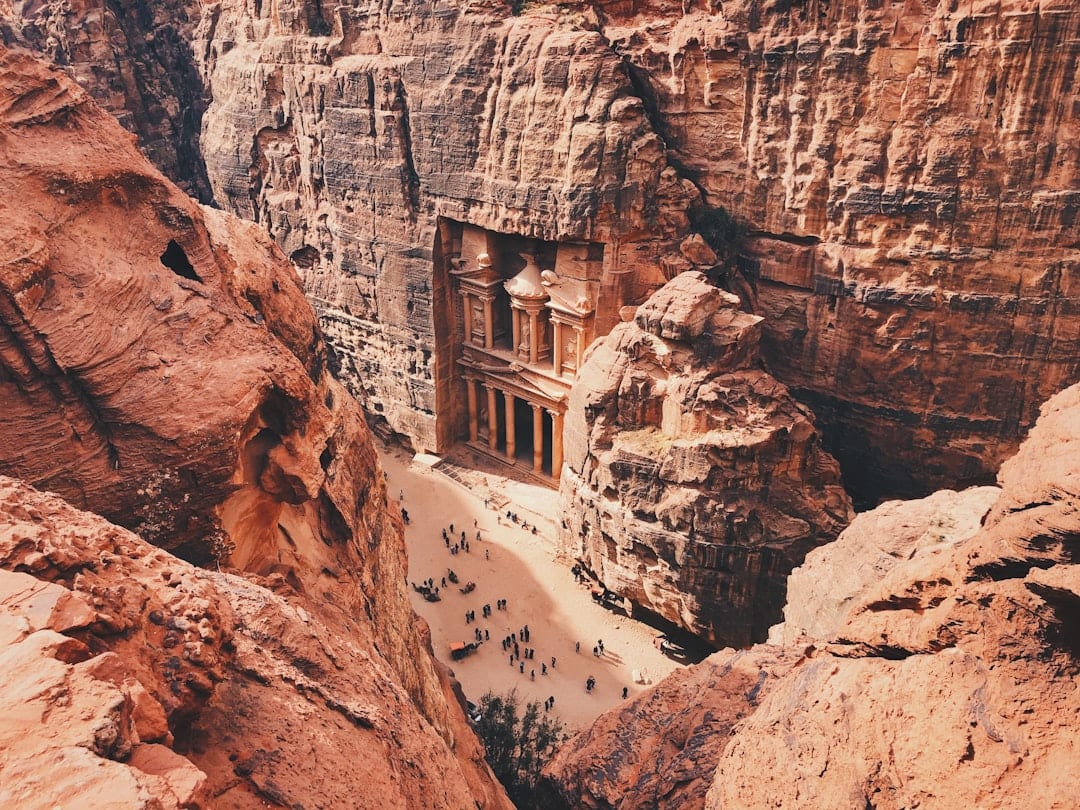
Religious significance: While Petra is not a biblical site in the same way as Jerusalem, its Nabataean grandeur reminds pilgrims that the Holy Land has always been a crossroads of civilizations. The stillness of the desert canyon also offers an early opportunity for personal reflection before the intensity of Jerusalem.
Days 3–8: Jerusalem, Bethlehem, and the Galilee, Israel
After crossing at the Allenby Bridge (or an alternate border point depending on current regulations), you enter Israel—the heart of the pilgrimage. The next six days move between Jerusalem, Bethlehem, Nazareth, and the Sea of Galilee.
- Day 3 – Mount Nebo and arrival in Jerusalem: If departing Jordan in the morning, many groups pause at Mount Nebo, where Moses glimpsed the Promised Land. By evening, you settle into your Jerusalem hotel near the Old City.
- Day 4 – The Old City and Via Dolorosa: Begin at the Church of the Holy Sepulchre, venerated as Calvary and the Empty Tomb. Walk the Via Dolorosa through the Muslim and Christian Quarters—approximately 600 meters of narrow, cobblestoned alleyways with steps. Visit the Western Wall before sunset.
- Day 5 – Mount of Olives and Gethsemane: Descend from the Dominus Flevit Church (where Jesus wept over Jerusalem) through the Palm Sunday road to the Garden of Gethsemane and the Church of All Nations. The downhill walk is manageable, but the cobblestones are slippery when wet.
- Day 6 – Bethlehem: Cross into the West Bank to the Church of the Nativity, built over the cave of Christ's birth. The entrance requires bowing through the low Door of Humility. Continue to the Shepherd's Fields in Beit Sahour for an outdoor reflection.
- Day 7 – Nazareth and Cana: Drive north to the Church of the Annunciation, where the Angel Gabriel appeared to Mary. Many couples renew their wedding vows at Cana, the site of the first miracle.
- Day 8 – The Sea of Galilee: Board a wooden boat for a short cruise on the lake where Jesus calmed the storms. Visit Capernaum (the town of Jesus), the Mount of Beatitudes, and Tabgha (the multiplication of loaves and fishes). Conclude at the Jordan River baptismal site at Yardenit, where many pilgrims choose to renew their baptismal promises.
Days 9–11: Cairo and the Pyramids, Egypt
A short flight from Tel Aviv brings you to Cairo, where the journey shifts from Gospel geography to the broader biblical narrative of Exodus and the Holy Family's flight into Egypt.
- Day 9 – Arrival and Coptic Cairo: Settle into your hotel, then visit Hanging Church (Saint Virgin Mary's Coptic Orthodox Church), Church of Saints Sergius and Bacchus (believed to shelter the Holy Family), and the Ben Ezra Synagogue.
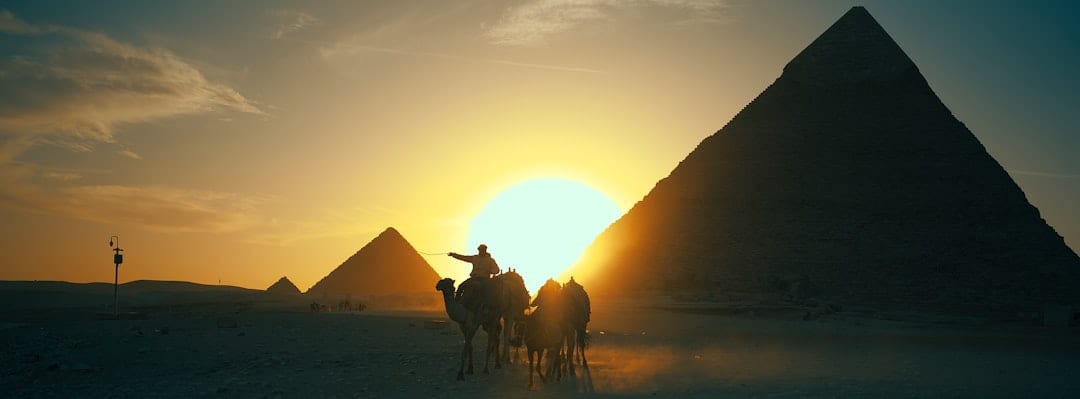
- Day 10 – Giza and the Egyptian Museum: Stand before the Great Pyramid of Khufu and the Sphinx. The Giza plateau involves walking on sand and uneven limestone—expect 1–2 kilometers of exploration. The afternoon at the Egyptian Museum in Tahrir Square reveals mummies, royal treasures, and artifacts from biblical antiquity.
- Day 11 – Departure preparation: A free morning for last-minute prayer, packing, or optional shopping at Khan el-Khalili bazaar before your evening departure.
Physical Demands: What Your Body Will Experience
I never sugarcoat this: the Holy Land is not a resort vacation. It is a pilgrimage, and pilgrimage requires physical stamina. Here is what your legs, feet, and lungs will face.
Walking Distances and Terrain
On an average day in Jerusalem's Old City, you will log 8,000 to 14,000 steps—roughly 5 to 9 kilometers. The Via Dolorosa alone combines cobblestones, staircases, and narrow passages where large groups must move single-file. In Petra, the Siq is flat but the surrounding trails climb steeply. The Giza plateau is sandy and uneven. Galilee is gentler, but Capernaum's excavated ruins require careful footing.
Footwear and Clothing Essentials
- Hiking sandals or trail shoes with ankle support: Avoid brand-new shoes. Break them in for at least three weeks before departure. Jerusalem's cobblestones will destroy flimsy flip-flops.
- Modest, breathable layers: Shoulders and knees must be covered at all churches and sacred sites. Lightweight linen or moisture-wicking fabrics work best.
- Wide-brimmed hat and SPF 50 sunscreen: The Jordanian and Egyptian deserts deliver intense UV, even in February or March. Heat exhaustion is a real risk for pilgrims unaccustomed to dry climates.
- A lightweight daypack: Carry your own water bottle, a small Gospel, rosary, and any medications. CamelBaks or hydration bladders are excellent for Petra.
Climate Considerations by Season
PATHWAYS 2026 departures typically run during February to April and October to November. February mornings in Jerusalem can drop to 7°C, requiring a fleece or light jacket. By midday, temperatures rise to 18–22°C. April and October are warmer, often reaching 28–32°C in Petra and Cairo. Rain is possible in winter, making the Old City's stone surfaces slick. Pack a compact rain poncho and quick-dry socks.
Prayer, Mass, and Group Devotion on the Road
One of the most common questions I receive is: Will we have Mass every day? The answer is yes—almost always. Here is how spiritual life is structured within the group.
Daily Mass Schedule
Your pilgrimage chaplain (or a local priest arranged by Mesho) celebrates Holy Mass daily at the most relevant site possible: the Church of the Nativity in Bethlehem, the Church of the Holy Sepulchre in Jerusalem, the Church of the Annunciation in Nazareth, or a private chapel when site restrictions apply. Mass is typically held in the morning before the day's touring begins, lasting 45 minutes to one hour.
Group Prayer Dynamics
Beyond Mass, the group gathers for morning prayer before boarding the bus and evening reflection after dinner. Many pilgrims develop a rhythm of praying the Rosary while walking the Via Dolorosa or during the Sea of Galilee boat ride. I encourage pilgrims to bring a personal prayer journal; the emotional weight of these sites often surfaces insights you will want to capture.
"Kneeling in the Grotto of the Nativity, I finally understood that the God I had prayed to my whole life actually walked this dust. It changed everything."
— A PATHWAYS pilgrim from Quezon City, 2024
Solo Devotional Moments
While the group moves together, your guide will intentionally build in 15 to 20 minutes of personal silence at key locations: the Garden of Gethsemane, the Shepherd's Fields, or the Jordan River. These are not photo opportunities. They are invitations to encounter the living God in the landscape of Scripture. Do not feel pressured to document every moment. Some graces are meant only for the heart.
Planning your pilgrimage?
Mesho Travel handles every border crossing, hotel booking, and daily Mass arrangement so you can focus entirely on prayer. View the full PATHWAYS 2026 package details and departure dates here.
What the Package Includes vs. Personal Expenses
Understanding your financial boundaries before departure prevents stress on the road. Here is a transparent breakdown of what Mesho's PATHWAYS 2026 package covers and what you should prepare to spend from your own pocket.
Package Inclusions
- Round-trip international airfare from Manila (Ninoy Aquino International Airport)
- All domestic flights (Tel Aviv–Cairo sector)
- 4-star and select 5-star hotel accommodations with breakfast and dinner daily
- Professional English-speaking guide and licensed Catholic pilgrimage chaplain
- Private air-conditioned coach transfers throughout Jordan, Israel, and Egypt
- All entrance fees to Petra, Jerusalem sites, Giza Pyramids, and Egyptian Museum
- Daily breakfast and dinner; selected lunches during full-day excursions
- Travel insurance with medical coverage abroad
- Jordan and Egypt visa facilitation (where applicable)
Personal Expenses to Budget in PHP
| Expense Category | Estimated Budget |
|---|---|
| Lunches not included in package | PHP 8,000 – 12,000 total |
| Tips for guide, driver, and hotel staff | PHP 10,000 – 15,000 total |
| Personal shopping (olive wood, rosaries, spices) | PHP 5,000 – 20,000+ |
| Bottled water and snacks | PHP 3,000 – 5,000 total |
| Optional camel or horse ride at Giza / Petra | PHP 2,500 – 5,000 per ride |
| Emergency buffer / misc. | PHP 10,000 – 15,000 |
Total recommended personal cash buffer: Approximately PHP 40,000 to 70,000 depending on your shopping habits. Carry a mix of US dollars (widely accepted) and a travel-friendly debit card. ATMs are available in Jerusalem, Amman, and Cairo, but fees apply.
Spiritual Preparation Before Departure
A Holy Land pilgrimage is not a sightseeing tour with religious decoration. It is a sacred journey that begins in your prayer corner at home. Pilgrims who prepare spiritually report far deeper experiences than those who treat the trip as a bucket-list adventure.
Three Months Before: Confession and Intention
Begin with the Sacrament of Reconciliation. Carry a specific intention—a family member in need, a burden you wish to surrender, a vocation you are discerning. Read the Gospel passages corresponding to each site you will visit. The Catholic Travel Guide to the Holy Land or the Rosary paired with Gospel readings makes excellent preparation.
One Month Before: Physical Conditioning
Walk 30 to 45 minutes daily. Add stair climbing if possible. If you have knee problems, consult your physician about bracing or anti-inflammatory support. The pilgrimage will not wait for your fitness to catch up, but a month of preparation dramatically reduces fatigue and injury risk.
One Week Before: Packing and Prayer of Surrender
Pack light. You will live out of a suitcase moving across three countries. Bring a small Bible or Gospel of John, a sturdy rosary, and a journal. Most importantly, pray a prayer of surrender: Lord, I do not know what You will show me, but I am ready to receive it. That openness is the true luggage of a pilgrim.
Quick Summary: Your PATHWAYS 2026 Checklist
- Itinerary: 12 days across Jordan (Petra), Israel (Jerusalem, Bethlehem, Nazareth, Galilee), and Egypt (Cairo, Giza).
- Physical readiness: Expect 8,000–14,000 steps daily on cobblestones and desert terrain. Broken-in trail shoes are non-negotiable.
- Spiritual rhythm: Daily Mass, morning and evening prayer, and intentional silence at key sites.
- Budget: Package covers flights, hotels, most meals, and entrances. Budget PHP 40,000–70,000 for personal expenses.
- Preparation: Confession, daily walking, Gospel reading, and a prayer of surrender one week before departure.
Related Reading
-
Holy Land Pilgrimage: What to Wear and Prepare for Sacred Sites
A practical guide covering dress codes, footwear, weather layers, and spiritual readiness for Filipino Catholic pilgrims.
-
Jordan's Petra and the Dead Sea: Extending Your Holy Land Pilgrimage from Israel
Everything you need to know about crossing into Jordan, exploring Petra, and floating in the Dead Sea.
Ready to Walk Where Jesus Walked?
The PATHWAYS 2026 Holy Land Tour is more than a vacation. It is an invitation to stand where Scripture becomes geography, where prayer becomes presence, and where your faith finds new roots in ancient soil. Whether you are a first-time pilgrim or returning to deepen your consecration, Mesho Travel curates every detail so your heart remains free for God.
Reserve Your PATHWAYS 2026 Seat
Spots fill quickly for February and March departures. Speak with our pilgrimage specialists today to secure your place, arrange a payment plan, or receive a private copy of the full spiritual preparation booklet.
Author's Note from Elena Ramos: I have led Catholic pilgrimage groups through the Holy Land for more than a decade, and I still weep at Gethsemane every single time. My role at Mesho is to ensure that your pilgrimage is not merely well-organized, but spiritually fruitful. If you have questions about mobility concerns, dietary restrictions, or special devotional requests, please reach out. Every pilgrim deserves to encounter Christ in this land without worry. — Elena Ramos, Catholic Pilgrimage Tour Leader, Mesho Travel And Tours


